
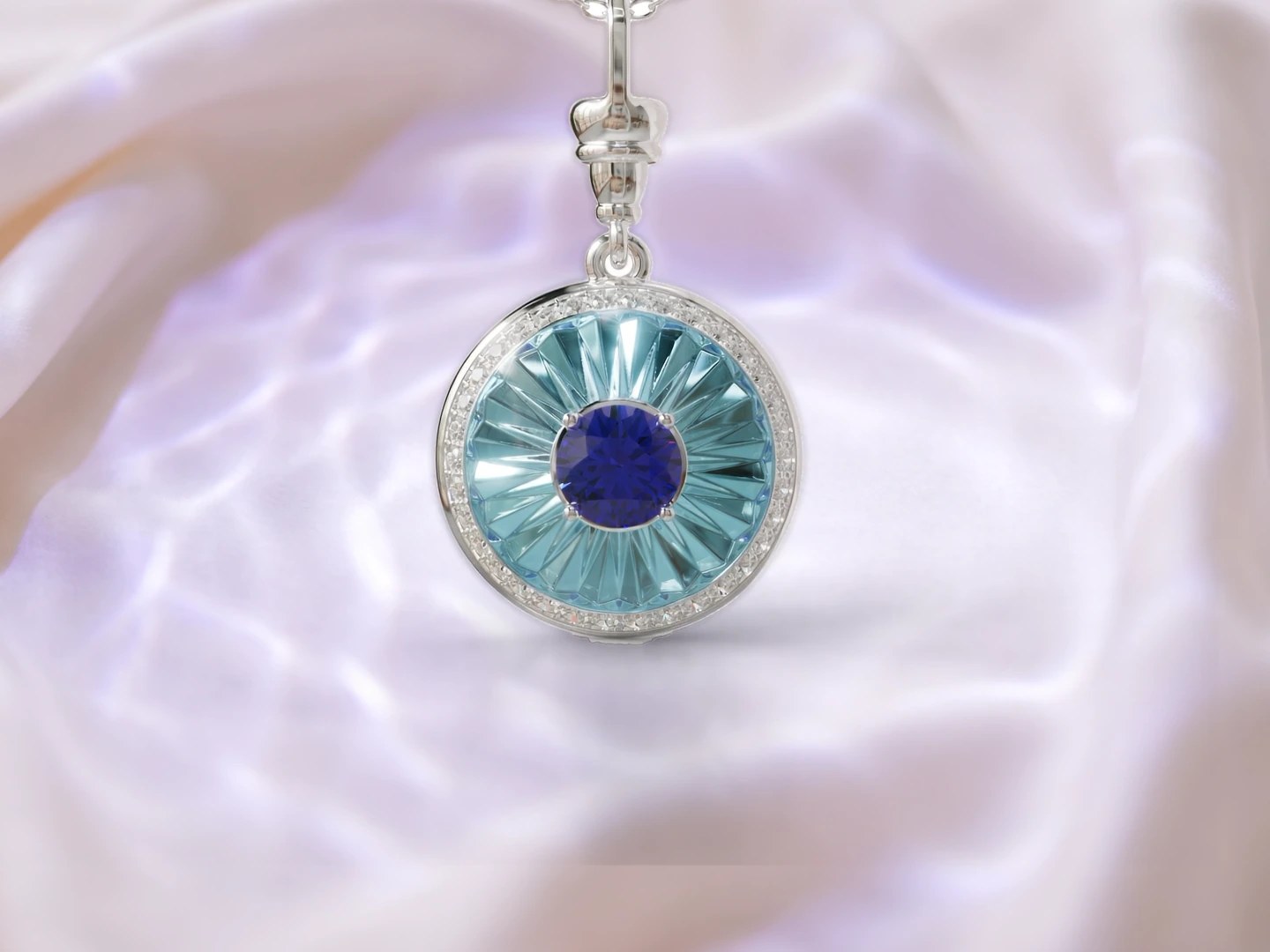
Luxury branding is decided in small places. The buyer of a fine piece of jewellery or a dress has usually compared before walking in, and they judge the brand on the details they can hold: the box, the tag, the card that comes with it, the page they bought it from. In Dubai, where luxury retail is fine jewellery, fashion houses and the boutiques that carry them, those details carry as much of the brand as the shopfront does. This note sets out how we keep a luxury brand the same in every place the buyer meets it.
What is luxury branding?
Luxury branding is the work of making a high-priced brand look and feel the same in every place a buyer meets it, from the box to the boutique, so that the price feels earned. It relies on restraint, consistency and the quality of the small pieces more than on any one logo.
The process is the same as for any brand: an idea, then an identity, then the pieces. What changes is the tolerance. A slightly wrong colour on a takeaway bag goes unnoticed; on a jewellery box it is the first thing the buyer sees when they open it at home.
Four places, one brand
A luxury buyer meets the brand in four places: the box, the boutique, the feed and the campaign. Each has its own scale and its own speed. The box is held for a minute. The boutique is walked through. The feed is scrolled past in a second. The campaign is seen across a street.
A piece that reads one way in the window and another way on the phone loses the sale somewhere between the two. So the first job of luxury branding is not to look expensive. It is to look like the same company everywhere, at every size.
The small pieces carry the most weight
The pieces that are easy to leave out are the ones a buyer remembers: the care card, the certificate, the invoice, the email that confirms the order. They arrive after the decision to buy, which is exactly when the buyer is deciding whether the decision was right.
We design them with the same rules as the shopfront. The mark, the colours and the type are drawn for the smallest application first and taken up from there, so nothing has to be redrawn when it shrinks.
Packaging is worth keeping
Packaging is the part of the purchase that goes home and is opened again. For a luxury brand it has to be worth keeping, and that depends on how it is made as much as on how it looks.
That is why packaging is designed with its printer's limits in view. The foil, the emboss and the paper that are approved should be the ones that arrive. A box that looked perfect in a presentation and arrives slightly wrong does more harm than a simpler box made well.
What luxury branding is not
It is not a colour scheme. Gold on black, a city skyline and the word "luxury" in the copy are the first things most brands reach for, which is why they no longer say much. A luxury brand earns the word through restraint and consistency: fewer elements, used the same way every time, made to a standard the buyer can feel.
It is also not only a logo. The mark matters, but a buyer forgives an ordinary mark sooner than a careless card or a product page that looks like a different shop.
The website does the work of the sales floor
On the website the piece has to be shown well enough to be bought from it, or well enough to bring the buyer into the boutique. The product pages, the lookbook and the campaign film do the work of the sales floor, so they need the same care as the room itself.
For Whispers of Alara, a fine jewellery brand from the Arab world, the strategy gave each channel one job: the website sells, social media tells the story. That one decision shaped what each page had to do.
One set of imagery, three uses
A collection launch works best as one campaign across the boutique, the site and the feed, so one set of imagery carries all three. The product imagery and the campaign are made to match the website, and the social content comes from the same set.
When the window, the product page and the post all come from one set of imagery, the buyer sees one brand rather than three suppliers' versions of it.
Working with us on a luxury brand
The identity comes first, then the website and the content from the same rules. La Vie shows the approach at its most compact: a wordmark drawn as its own typeface, with a cut-stone ornament at its shoulder. Our note on jewellery branding looks at three identities in detail.
A luxury retail project with us starts with one conversation about the collection, who buys it and where they meet it: the boutique, the site, the marketplace or all three. Read more about our jewellery branding agency in Dubai.